How To Grow Hydrangeas Indoors Like A Pro
How to Grow Hydrangeas Indoors Like a Pro
Hydrangeas are beautiful flowering shrubs that are known for their large, colorful blooms. While they are typically grown outdoors, it is possible to grow hydrangeas indoors as well. With a little care and attention, you can enjoy these stunning plants in your home for many years to come.
In this blog post, we will discuss the best practices for growing hydrangeas indoors. We will cover topics such as choosing the right type of hydrangea, providing the right amount of light and water, and fertilizing and repotting your plant. We will also offer some tips on how to troubleshoot common hydrangea problems.
Choosing the Right Type of Hydrangea
There are many different types of hydrangeas, so it is important to choose one that is well-suited for indoor growing. Some good options include:
- Bigleaf hydrangeas (Hydrangea macrophylla) are known for their large, showy blooms. They prefer bright, indirect light and moist, well-drained soil.
- Smooth hydrangeas (Hydrangea arborescens) are smaller than bigleaf hydrangeas, but they are just as beautiful. They are also more tolerant of low light conditions.
- Panicle hydrangeas (Hydrangea paniculata) are known for their tall, conical blooms. They prefer full sun and well-drained soil.
Providing the Right Amount of Light
Hydrangeas need bright, indirect light to thrive indoors. If you live in a sunny climate, you may need to place your hydrangea in a room with filtered sunlight, such as a north-facing window. If you live in a cooler climate, you may be able to place your hydrangea in a south-facing window.
Watering
Hydrangeas need to be watered regularly, especially during the growing season. The soil should be kept moist, but not soggy. You may need to water your hydrangea more often during hot, dry weather.
Fertilizing
Hydrangeas should be fertilized every few weeks during the growing season. Use a balanced fertilizer that is high in nitrogen. You can also use a fertilizer specifically formulated for hydrangeas.
Repotting
Hydrangeas will need to be repotted every few years as they outgrow their current pot. When repotting, choose a pot that is one size larger than the current pot. Use a potting mix that is specifically designed for hydrangeas.
Troubleshooting
If your hydrangea is not thriving, there are a few possible causes. Here are some troubleshooting tips:
- Not enough light: If your hydrangea is not getting enough light, the leaves will start to turn yellow. Move your hydrangea to a brighter location.
- Overwatering: If you are overwatering your hydrangea, the leaves will start to wilt and fall off. Water your hydrangea less often.
- Underwatering: If you are underwatering your hydrangea, the leaves will start to turn brown and crispy. Water your hydrangea more often.
- Pests or diseases: If your hydrangea is infested with pests or diseases, the leaves may start to wilt, turn yellow, or fall off. Treat the pests or diseases with an appropriate pesticide or fungicide.
Conclusion
With a little care and attention, you can grow hydrangeas indoors and enjoy their beautiful blooms for many years to come. By following the tips in this blog post, you can help ensure that your hydrangeas thrive in your home environment.
Hydrangeas are beautiful flowering plants that can be grown indoors in pots. With proper care, they can thrive in your home for many years. If you're thinking about adding a hydrangea to your indoor plant collection, I recommend visiting . This website has a wealth of information on hydrangea care, including tips on choosing the right pot, watering, fertilizing, and pruning.
In addition to providing detailed care instructions, also offers a variety of other resources, such as plant profiles, photos, and gardening articles. Whether you're a beginner or a seasoned plant enthusiast, you're sure to find something useful on this website.
So what are you waiting for? Visit today and learn more about growing hydrangeas in pots indoors!
FAQ of hydrangea in pots indoors
- Can I grow hydrangeas indoors?
Yes, you can grow hydrangeas indoors, but they will not bloom as well as they would if they were grown outdoors. Hydrangeas need full sun and moist, well-drained soil. If you live in a cold climate, you may need to bring your hydrangea indoors during the winter.
- What type of soil should I use for hydrangeas in pots?
Hydrangeas prefer a slightly acidic soil with a pH of 5.5 to 6.5. You can buy a commercial potting mix designed for hydrangeas, or you can make your own by mixing equal parts peat moss, perlite, and compost.
- How often should I water my hydrangea in a pot?
Hydrangeas need to be watered regularly, especially during the hot summer months. Water your hydrangea until the water runs out of the drainage holes in the bottom of the pot. You may need to water your hydrangea more often if the air is dry.
- How much fertilizer should I give my hydrangea in a pot?
Hydrangeas need to be fertilized regularly, especially during the spring and summer when they are actively growing. You can use a balanced fertilizer, such as 10-10-10, or a fertilizer specifically designed for hydrangeas. Follow the directions on the fertilizer label for the recommended application rate.
- Why is my hydrangea in a container not blooming?
There are a few reasons why your hydrangea in a container might not be blooming. One possibility is that it is not getting enough sunlight. Hydrangeas need at least 6 hours of sunlight per day. Another possibility is that it is not being watered enough. Hydrangeas need to be watered regularly, especially during the hot summer months. Finally, it is also possible that your hydrangea is not getting enough fertilizer. Hydrangeas need to be fertilized regularly, especially during the spring and summer when they are actively growing.
Image of hydrangea in pots indoors
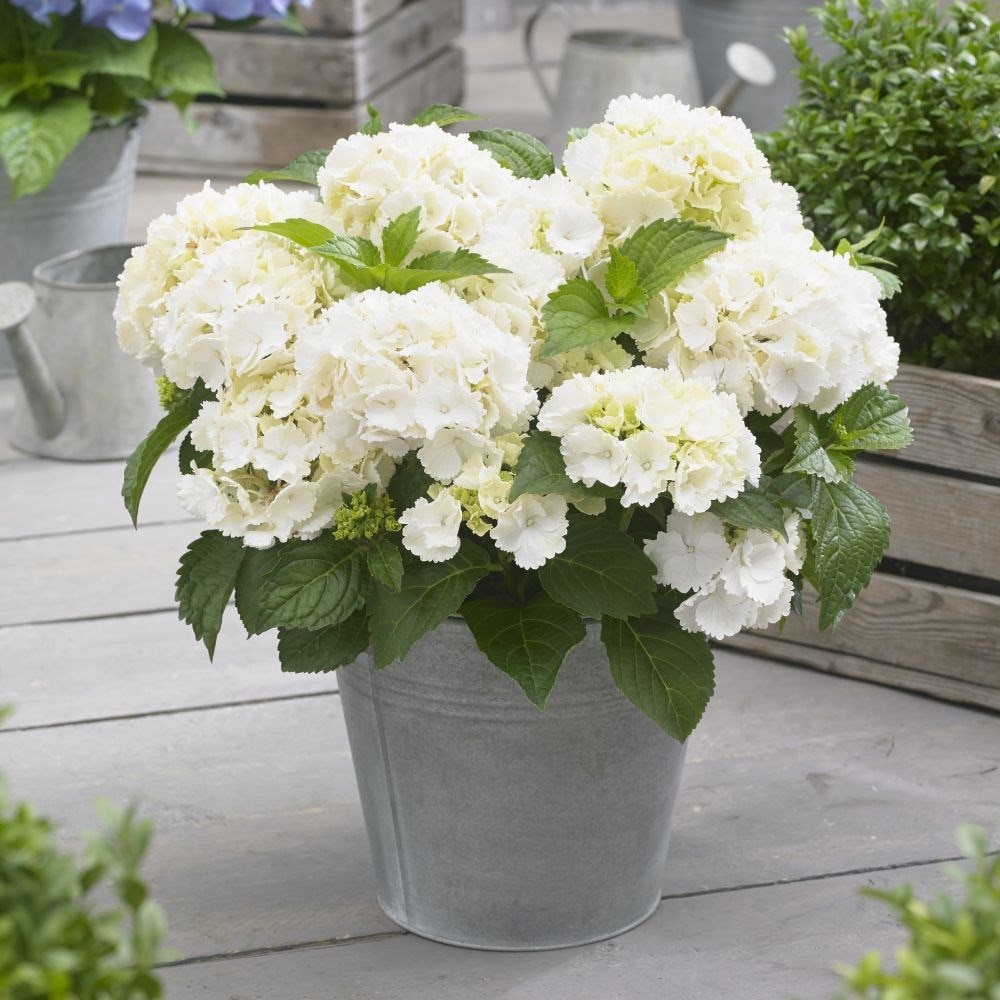
- A white hydrangea plant in a white pot on a wooden shelf. The plant has large, round flowers and green leaves. The shelf is in a sunny room with white walls.
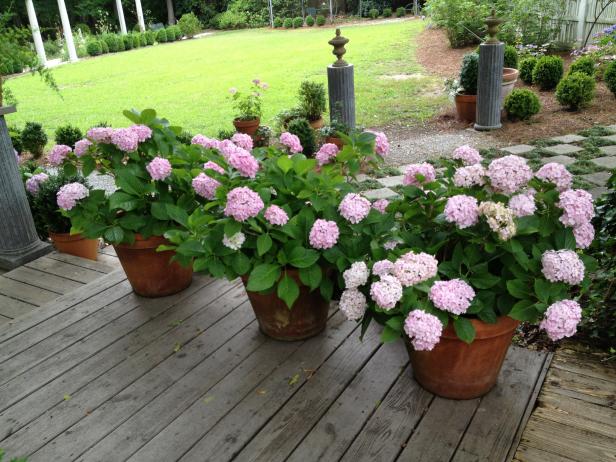
- A pink hydrangea plant in a terracotta pot on a table in a living room. The plant has large, pom-pom shaped flowers and dark green leaves. The table is in front of a window with sheer curtains.
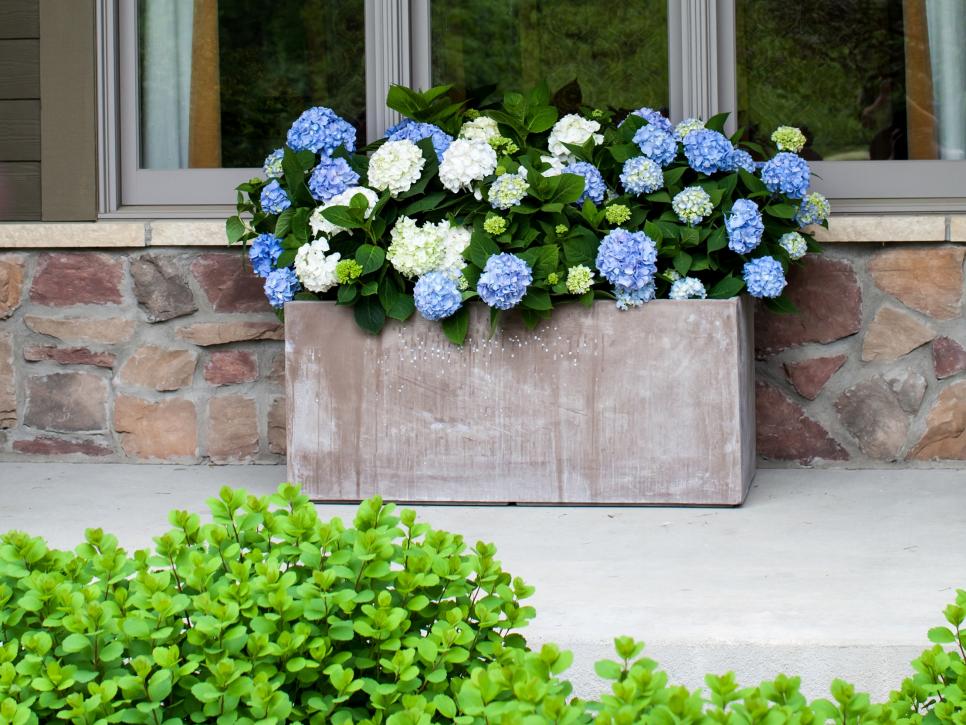
- A blue hydrangea plant in a hanging basket on a patio. The plant has large, clusters of flowers that are a deep blue color. The hanging basket is suspended from a white railing.
- A white and pink hydrangea plant in a ceramic pot on a windowsill. The plant has large, round flowers that are a mix of white and pink. The windowsill is in a kitchen with white cabinets and dark wood countertops.
- A mophead hydrangea plant in a large pot on a floor in a bedroom. The plant has large, round flowers that are a light pink color. The pot is surrounded by white pillows and a throw blanket.

Post a Comment for "How To Grow Hydrangeas Indoors Like A Pro"